
2025 reading recap
a mixed bag

Since last year my end of year recap weirdly (or not so weirdly) turned into a reading recap, I thought I might as well own it this year.
I’m not a prolific reader by some standards. A lot of people claim to zip through a book a week. I’m not one of those people although I would like to read more books. But I also want to be able to take my time with them. Reflect on them. Digest them. Remember the most impactful ones. I hate it when I can’t remember what’s in the books I’ve read.
I read 17 books this year, on top of a couple of rereads. I picked up a fair number that I didn’t get through till the end too.
Fiction

This is a bit of a surprise to me, but I’ve been reading more fiction this year as opposed to the past few years. I’d been on the non-fiction train for years, now I seem to have a renewed passion for fiction. I hope it sticks. There’s something magical about a good story that I can get lost in.
Notable reads include La Chronique de Travnik (another winner from the masterful Slavic author Ivo Andric), A Tale of Two Cities by Charles Dickens (I picked it up because I’m getting super interested in the French Revolution), and The Chevalier de Maison Rouge by Alexandre Dumas (I’ve been a massive fan of Dumas ever since I read Le Comte de Monte Cristo).
Summer reads :
I started something last summer, which I’m hoping to turn into a tradition. It’s to do the opposite of the light summer read, and to pick up a big, hard book instead. In 2024 I started with The Brothers Karamazov, by Fyodor Dostoevsky.
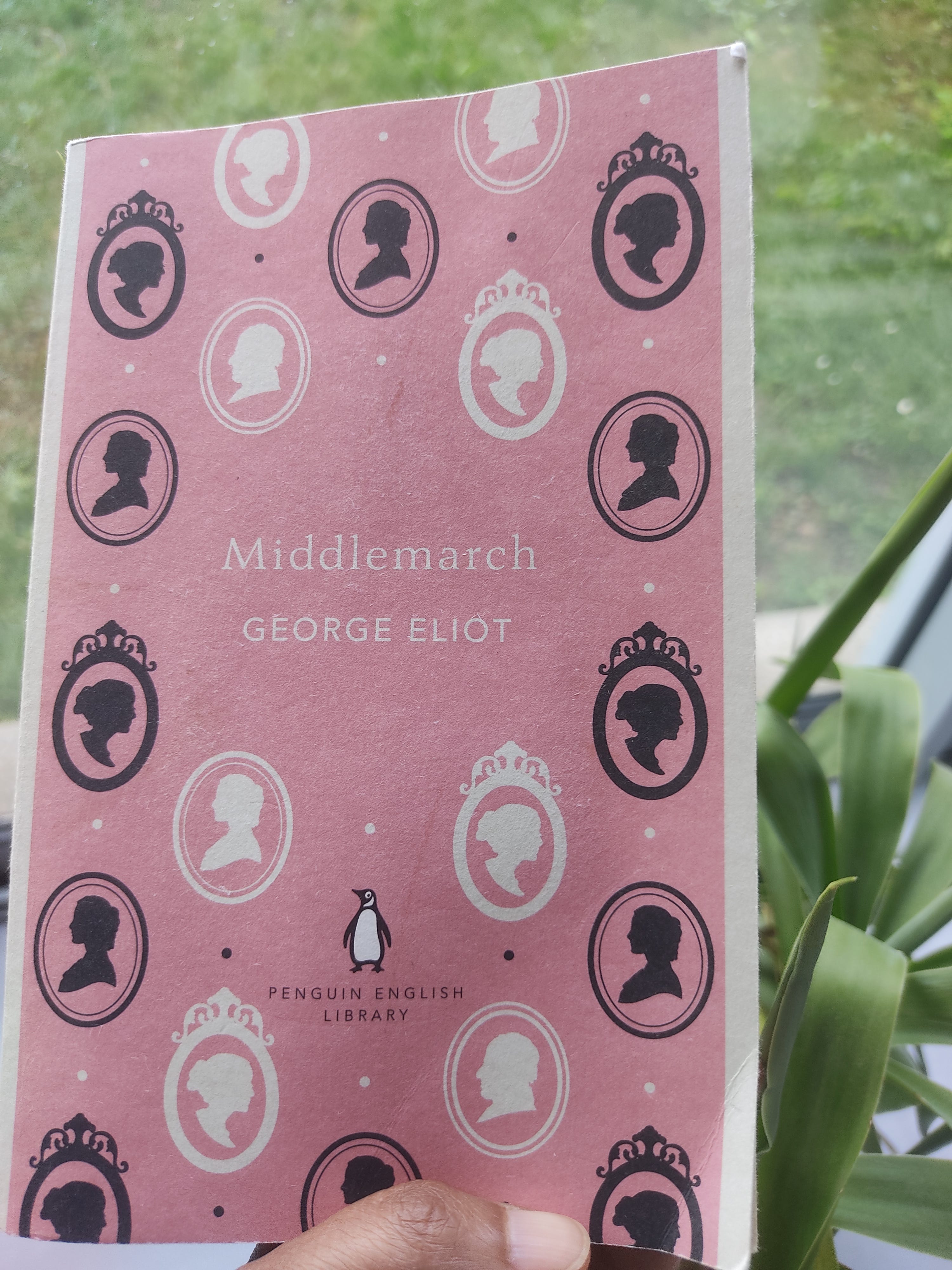
This year it was Middlemarch, by George Eliot.
Bit of a slog at first, but boy does it ramp up big time. The caracters are complex - insanely human in all of their nuances. It’s about humans doing human things - starting with the best intentions but somehow ending up in places they would’ve never imagined to find themselves in. Womanhood is brilliantly portrayed - Dorothea, one of the main caracters, turns out to be quite the contemporary woman - stuck in an internal tug of war between doing what is expected of her and carving her own path.
My favourite character is probably Lydgate - an ambitious doctor who has a brilliant career ahead of him and who marries in the hope of having the emotional support he needs fulfill his goals - only to end up saddled in debt and completely powerless against a wife who has her own ideas about how she wants to live her life.
The prose is absolutely breathtaking - I had to go back and re-read sentences. Eliot is brilliant at transforming banal situations and common emotions into pure poetry. She decribes the spaces between words masterfully and carves out incredibly complex, yet totally relatable characters. Rarely have I been so moved by the beauty of words.
I’m definitely revisiting this one in a few years’ time. I’ll probably have read some of her other works by then too I hope.
I did pick up a typical summer read too just because everyone was raving about it : I am Pilgrim by Terry Hayes. Who can say no to a fast paced thriller about a mysterious secret agent trying to solve impossible murders? Apparently I can’t.
Non-Fiction
My non-fiction reading was a bit all over the place this year.

Contemporary historical non-fiction :
I love history, and I’m also a big fan of Dominique Lapierre. I read his book City of Joy when I was maybe fifteen, and that has to be one of my all-time favourite books. So when I saw that he’d written about the creation of the State of Israel and about how Paris emerged from Occupation during World War II, I picked up O Jerusalem and Paris brûle-t-il? Great books depicting the almost minute by minute few weeks and days around those massive events.
The Last Colony by Philippe Sands strikes close to home for me (I’m from Mauritius) and describes the plight of the Chagossians as they were ripped from their little island overnight and shipped to Mauritius in the late ‘60s so the UK could lease the island to the US to be turned into a military base. That base is still in operation to this day.
From CounterCulture to CyberCulture by Fred Turner is another great book linking the counterculture of the ‘60s to the early days of Silicon Valley. I find the ‘60s counterculture absolutely fascinating and I’d love to dig deeper into it.
Aannnd the most notable non-fiction book award goes to ….
Empire of AI :
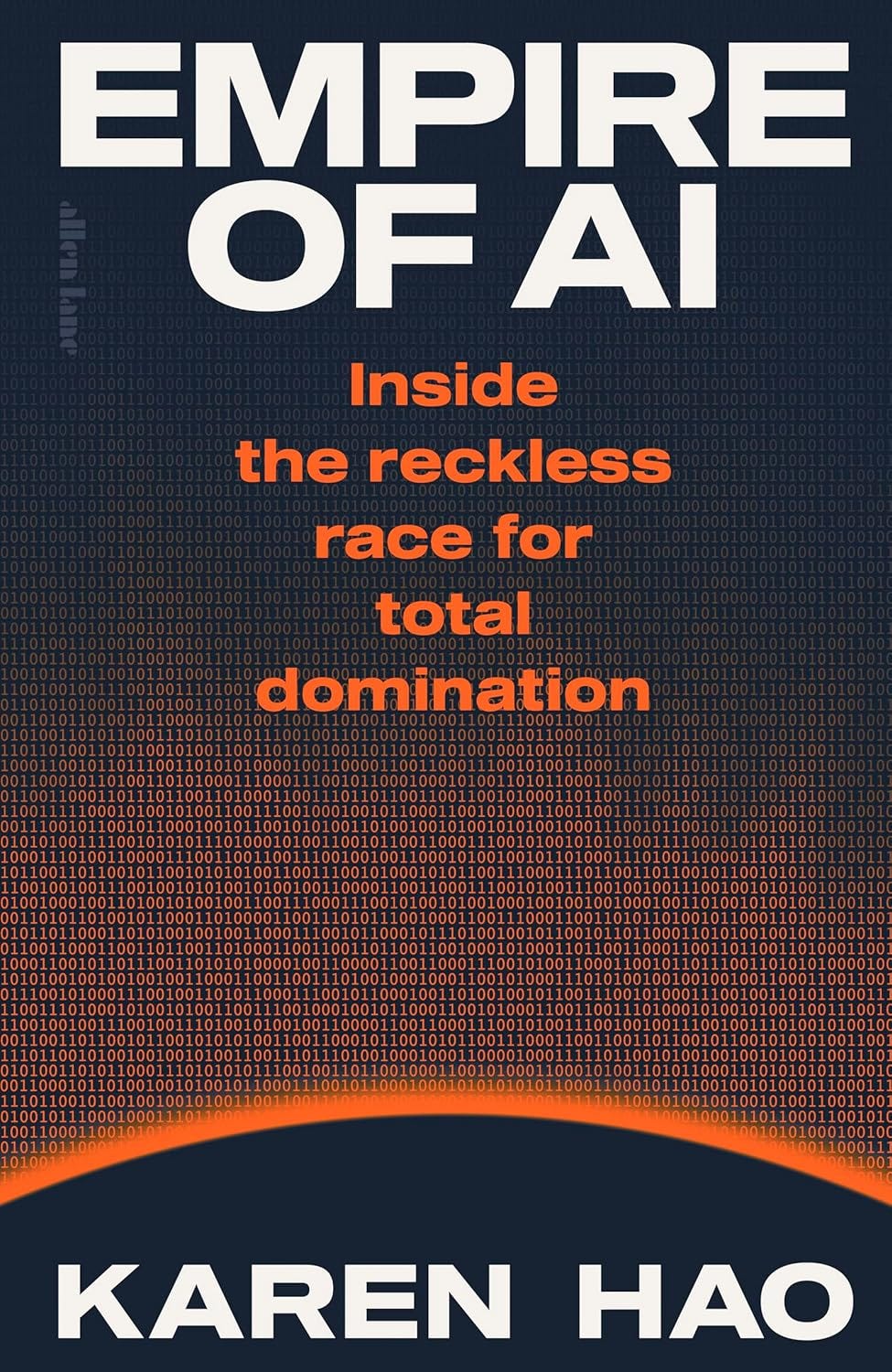
‘OpenAI is now leading our acceleration towards a modern-day colonial world order’
This sentence in the opening chapter of the book sent chills down my spine. The book artfully, and with extraordinary amount of detail, proceeds to explain exactly how OpenAI is the new Empire. The British East India Company isn’t gone; it’s just morphed into the Googles of the world before it, and now OpenAI. This is how Empire keeps manifesting itself, over and over again, in more appealing ways so that the enriching of ever fewer people, and the steamrolling of ever larger masses of people, becomes more and more discreet, and is even enabled by the rest of us.
This book isn’t a rebuke of AI, or of technology in general. Its aim is to bring the focus back on THE question that needs to be asked again and again so we don’t lose track of it in our dopamine-addicted world : GOVERNANCE. Who gets to make decisions about how AI progresses? Who gets to reap the rewards or pay the brunt of its fallouts?
The way AI is showing up today isn’t a normal, organic progression of technology. There is nothing inevitable about it. Just a few short years ago, OpenAI and Anthropic didn’t exist. Now they’re massive. And everywhere. We’re getting bombarded with it from all sides, and it’s hard to imagine that most if it is a series of calculated decisions, mostly commercially motivated, made by a shockingly small group of very powerful individuals.
These same powerful individuals who are painting a future where AI solves Climate Change and disease; all the while siphoning researchers, money and ressources off fundamental AI research and allocating them to commercial initiatives.
This is a very important book and must be read by all, especially the tech afficionados out there embarking on the AI train without so much as a backward glance.
Other mentions
Another honorary mention is Hijacked, by Elizabeth Anderson, about how the work ethic has been hijacked to turn us into work slaves. This is pretty much THE book on how historical events and figures have shaped modern work culture.
I’m a massive fan of David Graeber and read his masterpiece, Debt, the First 5000 years. This article is getting long and I’ll probably devote entire essays to David Graeber in the future. But for now I have to say I’ve fallen more in love with Graeber’s absolutely brillant mind.
I’ve read only one business book this year : the ONE thing by David Keller. As most business books, this one could’ve just been an essay. Business books are a disappearing genre in my reading journey it seems. Let’s see what 2026 brings, I might be surprised, although I’d be surprised if I were :p
I already have a list of books I’d like to read in 2026, let’s see how the reading actually evolves throughout the year. If you’ve made it this far in my ramblings, hats off, and see you in the next one.
Thank you, Sandhya, for sharing! My favorite quote of all time ("It's never too late to be what you might have been.") is from George Eliot and so your essay caught my eye. Middlemarch is obviously super-famous and I'm easily attracted by beautiful prose. What are some of the passages you consider most beautifully written from Middlemarch? Genuinely curious! Ty!